

UEE31225 Certificate III in Instrumentation and Control

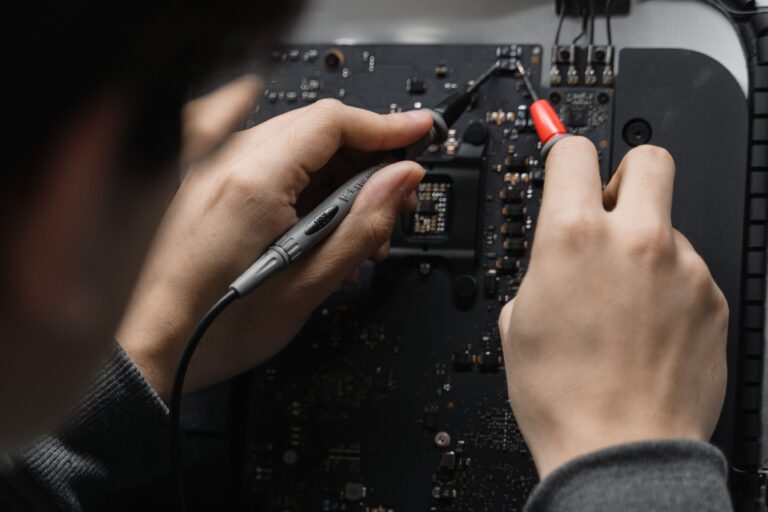
Formal recognition for technicians who undertake calibrations, repairs and installations to electrical, electronic, hydraulic and pneumatic instrumentation and control circuitry.
Overview

Turn years of hands-on instrumentation and control work into the UEE31225 Certificate III in Instrumentation and Control, a nationally recognised qualification covering a wide range of calibrations, repairs and installations to electrical, electronic, hydraulic and pneumatic instrumentation, as well as analogue and digital electronic circuitry. Recognition of Prior Learning (RPL) allows your experience working in industries such as water treatment, manufacturing or process control to be formally assessed against this qualification rather than starting your learning over. Once your evidence is assessed and confirmed by our partner RTO, you hold the same AQF-recognised Certificate III as anyone who completed the qualification through classroom-based study.

Instrumentation and Control Technician
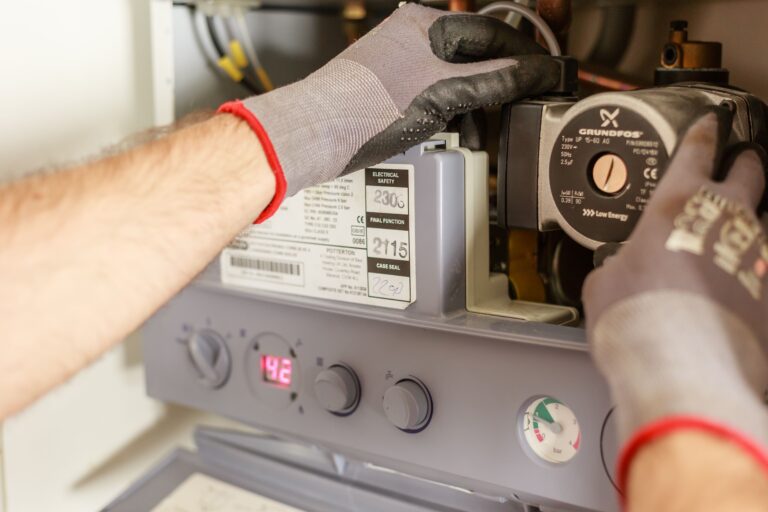
Undertakes calibrations, repairs and installations to electrical, electronic, hydraulic and pneumatic instrumentation across a range of industries, including water treatment.

Reference: training.gov.au

Trade RecognitionFormal recognition of the calibration, installation and fault-finding skills you have already developed working with instrumentation and control systems.
Career AdvancementProvides a pathway into further study, such as instrumentation and control engineering qualifications, or into senior technical officer roles.
Nationally Recognised
ASQA Registered
RPL Specialist

Is your experience eligible for certification?

General Documents

  • Your identification Documents
  • USI Number
  • Detailed Resume
  • Work Reference Letter(s)
  • Payslips
  • Previous Qualifications (If Any)

Project & Work Evidence

  • Calibration or test records for instrumentation you have worked on
  • Installation records for instrumentation and control apparatus or cabling
  • Records showing you have set up or adjusted PID control loops
  • Fault-finding records for process final control elements
  • Records of density, level, flow, pressure or temperature measurement systems you have worked on
  • Programmable controller or HMI configuration records you have completed
  • Work health and safety records relevant to instrumentation and control work
  • Compliance or verification records for instrumentation installations you have completed

Working Photos & Videos

  • Photos taken on site carrying out real instrumentation and control work
  • You clearly visible performing instrumentation and control tasks in a professional setting
  • Videos recorded on site showing you performing instrumentation and control tasks
  • Each video approximately 90-120 seconds long

[NB: RTO might ask for more evidences based on qualification requirements]

31,600Employed
38Median Age
1,400Annual Employment Growth

Ref: Jobs and Skills Australia (Employed, Median Age, Annual Employment Growth)

$1,882Median per week
$97,864Yearly income

Ref: Jobs and Skills Australia (Median per week, Yearly income)

How It Works

Once your Student Agreement is signed and your initial payment is confirmed, your RPL journey begins — here's what to expect at each stage.

1
Collect Your Evidence
Using your personalised checklist, gather evidence that demonstrates your skills and experience. This may include employment records, certificates, photos, videos, or supervisor references. Your Navigator will guide you every step of the way.
2
Receive Your Enrolment & RPL Docs
We'll send your Enrolment Form and LLN Assessment to complete first. Following that, you'll receive your SelfAssessment Form and Third-Party Verification Form to work through carefully before moving to the next step.
3
Submit Your Completed Forms
Complete and sign all required forms, then return them along with your full evidence portfolio. Ensure every section is filled in, all signatures are included, and all supporting documents are attached before submitting.
4
Assessment and Competency Review
Your RTO Assessor will review and map your evidence against the required unit competencies. Where further clarification is needed, a competency conversation will be conducted to confirm your knowledge and skills.
5
Outcome Issued
Once assessed as competent across all required units, the RTO will formally issue your certificate or Statement of Attainment. Your real-world experience is now officially recognised as a nationally accredited qualification.

Qualification Overview

  • Qualification Code: UEE31225
  • Qualification Name: Certificate III in Instrumentation and Control
  • AQF Level: 3

Notes

This is a points-based qualification (Electrotechnology Training Package) rather than a fixed unit count — core units are set, and elective units are selected to reach the elective points target shown above.

Reference: Official packaging rules and description from training.gov.au – Australia's national register for vocational training.

Disclaimer: ATSR is a facilitator of RPL. Qualifications are issued by our partner Registered Training Organisations (RTOs) upon successful assessment.

Payment & Refund

Check Personalised quote after your consultation
Check Pricing based on your individual advised pathway
Check RTO name and all payment options included
Check No payment until you've accepted your quote
Check Refunds available in line with our policy

Payment options

✦ 4 interest-free instalments available
Debit / Credit Card
Bank Transfer

Payment Options

Your fees are confirmed before you commit — no surprises.

After your initial consultation, you'll receive a personalised quote that includes your total fee based on your individual advised pathway, the name of the assessing RTO, and all available payment options. No payment is required until you've reviewed and accepted your quote.

Refund Policy

We're committed to your outcome — and we back that with our refund policy.

Our navigators support you through the process to help ensure your portfolio meets the RTO's requirements before it's submitted. If the RTO finds your application ineligible after portfolio submission, you may be entitled to a refund of fees paid to ATSR, in accordance with our and the RTO's refund policy.

Frequently Asked Questions

Can I get the Certificate III in Instrumentation and Control through RPL instead of studying full-time?
Yes, RPL lets your instrumentation and control work be formally assessed against the requirements of the UEE31225 qualification. A partner RTO reviews your evidence and conducts the assessment needed to confirm your skills meet the national standard.
How much instrumentation experience do I need for RPL?
There's no fixed amount of experience required — what matters is having enough real evidence to match against the qualification's units. Calibration or test records for instrumentation you've worked on, installation records for control apparatus or cabling, and records showing you've set up or adjusted PID control loops are the kind of documentation that helps.
Is an RPL Certificate III in Instrumentation and Control the same qualification as one from TAFE?
Yes, it's the exact same AQF-registered qualification, issued by an ASQA-registered RTO, no matter which pathway you took. RPL is a different route to the identical credential, based on recognising skills you already hold.
Does this qualification suit someone who wants to work in water treatment or process industries?
It's built around the Instrumentation and Control Technician role, covering calibrations, repairs and installations across electrical, electronic, hydraulic and pneumatic instrumentation, including in water treatment settings. That makes it relevant to a range of industries that rely on instrumentation and control systems, not just one sector.

Secure your status as a certified instrumentation and control technician today

Turn your instrumentation and control experience into a nationally recognised Certificate III qualification.

Check Your Eligibility
Step 1 of 4

Industry & Qualification

Tell us about your industry & qualification interest — select an industry or a qualification (at least one).

Work Experience

Tell us about your relevant experience

Timeline & Evidence

Help us understand your urgency and available documents

Personal Information

Your basic details

Thank You!
We've received your details. Our team will review your eligibility and get back to you within 24 hours.